
Extracurriculars
Make your Extracurricular Activities count
Shalu Gupta & Sonali Mohan, Head Mentor & Head Editor, Collegify · · 5 min read

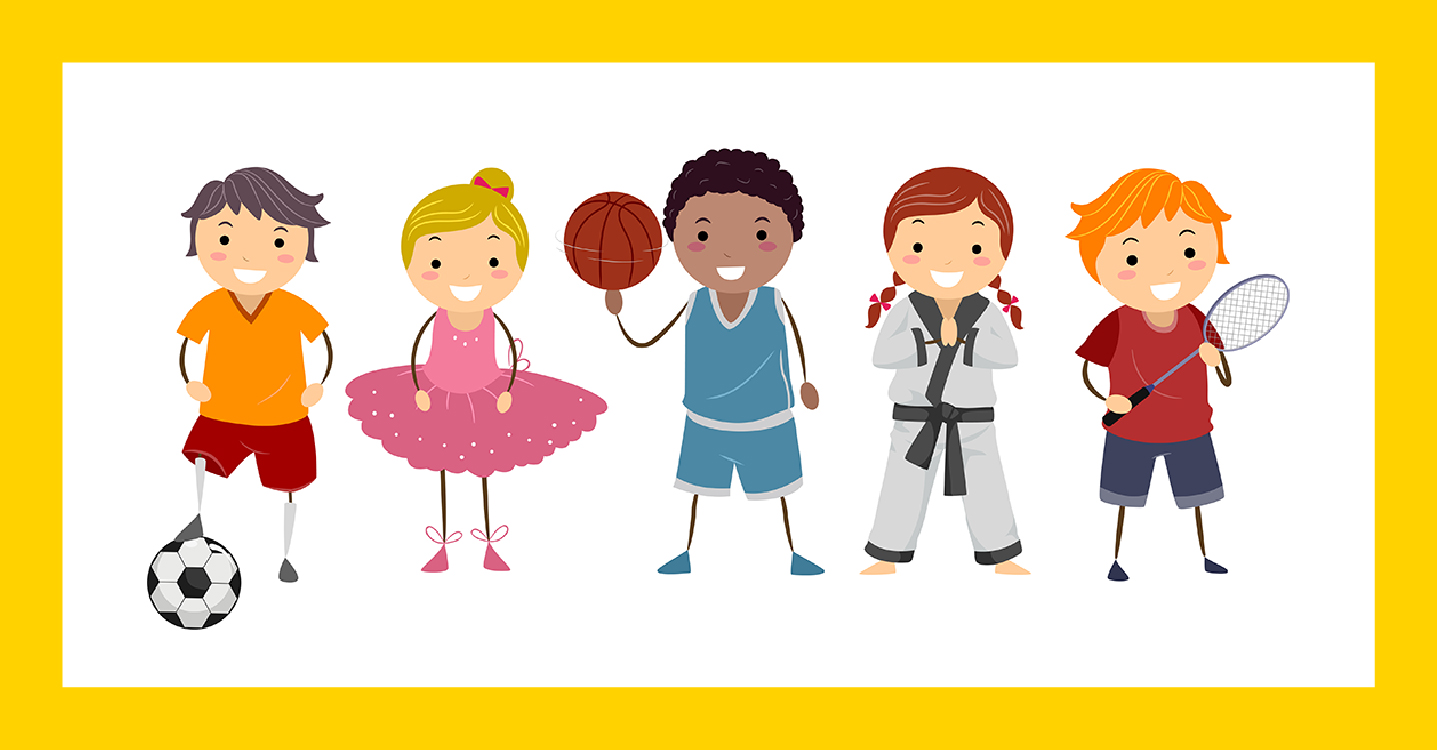
Extracurriculars are defined as organised activities outside the classroom that encourage students to collaborate, take initiative, and attain a position of leadership that make them stand out in a crowd of applicants.
Many of you have a bouquet of activities which you have been pursuing for a fairly long time-dance, dramatics, art, sport, academic enhancement programs, community service and social media initiatives, and rightly so. Extracurriculars are experiential learning at its best, with the ability to connect with the special part of 'you' which makes 'you' unique. Needless to say, your academics cannot be compromised!
Extracurriculars play an important role in your applications to International Universities. The admissions committee is always on the lookout for the real you beyond your grades and scores; often they find their answer in your extracurriculars. So, your extracurriculars are not just achievements-they are representative of your grit, determination, focus, tenacity, initiative, empathy, compassion and much more. These are the qualities the admissions committee is trying to decode. Your high school journey must demonstrate interest and growth-from participation to active initiative to attaining a position of leadership.
Your extracurriculars should not be a series of disparate choices and achievements that would be detrimental to your cause. This becomes even more relevant if you are indicating a specific major or course of studies. Your activities, community service, internships should have a visible connection with your intended major. Your application should read as a journey which has a common thread that weaves your interests and pursuits to tell a compelling story. It is this application that creates interest and compels the assessing committee to read again and again.
Let me share with you some real life stories of students who demonstrated interest and growth in their extracurriculars so that you get a clearer picture. The social sciences student with artistic inclination; a 10 year investment in artistic pursuit who does a solo show at age 14 as a fundraiser for charity and finally used her artistic skills to create a booklet to debunk myths about menstruation amidst a semi-rural audience while advocating hygiene and health. Volunteering in an underprivileged school brought her face to face with the myths associated with menstruation and a more horrifying statistic that linked to girls dropping out of school due to lack of a scientific understanding of the menstrual process and access to hygiene products. Copies in hundreds were crowd funded and sent to multiple schools across a geographical zone. As the student prepared to catch her flight to her college, she received the news that the district administration had sanctioned a free pack of sanitary napkins on a monthly basis to all girls from ages 10 upwards studying in government schools.
It’s the ability of a biomedical aspirant who was passionate enough to upgrade his tech skills by online and offline courses, who used his observation as a volunteer at an eye hospital to realise that lack of hygiene while administering eye drops was a major source of infections. He made a simple video on the protocols while administering eye drops was shared via the patient/caregiver’s phone on discharge. Data analysis of the hospital 6 months later showed post discharge infections had dramatically reduced.
It’s the passion of a national level basketball player who managed to link a charity organisation from US who used basketball as a tool for confidence building amongst underprivileged schools with a NGO school in New Delhi who worked with differently-abled children. What started as a small initiative rolled into a juggernaut event spread over 5 days with an NBA basketball player, 150 underprivileged students and a community of student volunteers from different schools.
The tech aspirant from a small town who published a research paper on using technology to create a smart cane for the visually impaired; the student who accompanied his grandmother to a local clinic and ended up creating an app for small clinics to keep track of prescriptions of their patients or the academically driven student who ensured his learning went way beyond the school curriculum by engaging in rigorous summer schools, research opportunities while constantly testing his knowledge via multiple assessments like Olympiads, AP exams and others.
The Mechanical Engineer aspirant who spent two summers building and perfecting a battery powered commercial vacuum dust sweeper which could be used on the roads. He was also involved in the Environmental club in school and believed that dust was a major source of air pollution.
The Business Studies applicant who used his summer school experience at the Knowledge@Wharton to start a High School Investors club back home or the CS aspirant who builds a comprehensive website for a social initiative undertaken by his peers or a school magazine edited by a CS student who is a non-English major but has a passion for writing.
While attending a workshop a couple of years back at the Harvard Summer School for Counselling; I clearly recall a comment by the Dean of Admissions, Harvard University, William R. Fitzsimmons where he stated that it was easier to evaluate what a student would bring into the classrooms. What was essential to understand the student’s engagement and impact outside the classroom, in the dormitories, in the surrounding community and ecosystem.
Will you be a good fit for the college of your choice? The answer can be found in your extracurricular journey.
Related reading
- Eight Books For The Non-Fiction Addict
Eight Books For The Non-Fiction Addict
- Five Books To Get Your Summer Started Right
Five Books To Get Your Summer Started Right
- Navigating subject selection: A thoughtful guide for 10th grader
Choosing high school subjects is important but not irreversible. Math isn't essential for all careers, but keeping it helps in business and STEM. Chemistry is crucial for traditional engineering but less so for AI or coding. Fine arts has strong career prospects, especially with tech integration. Em
