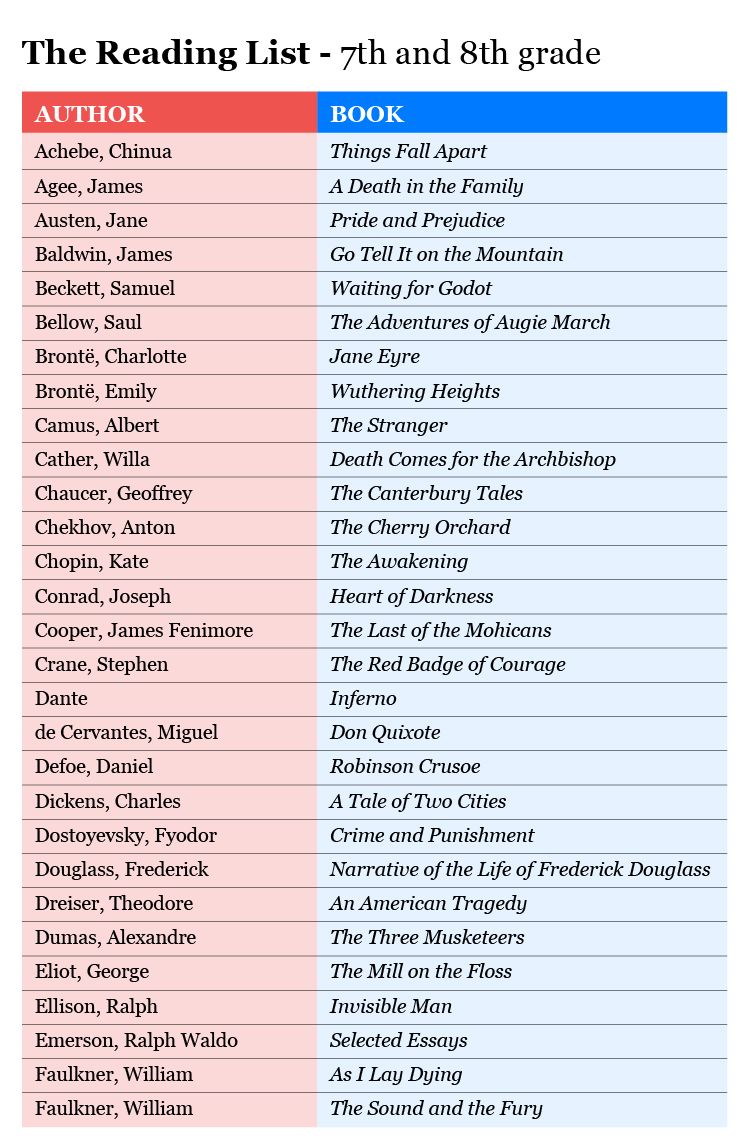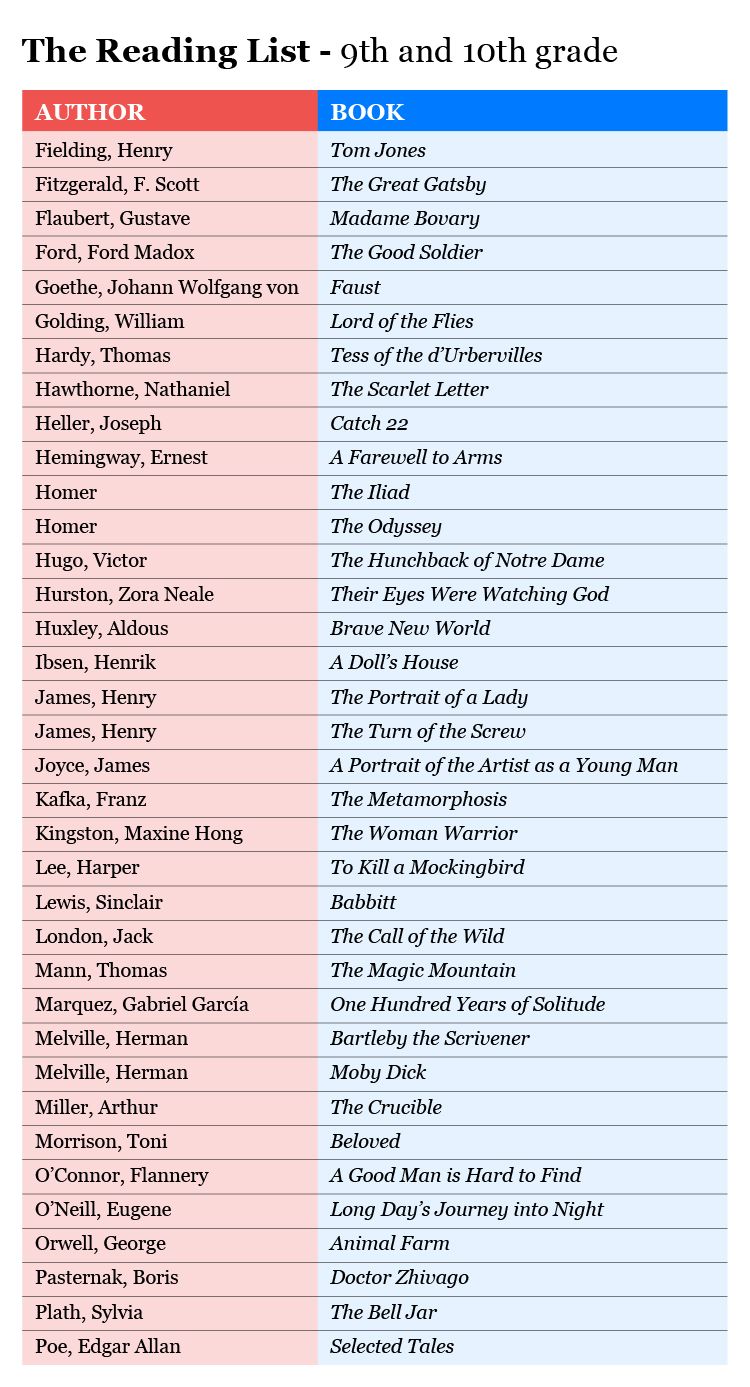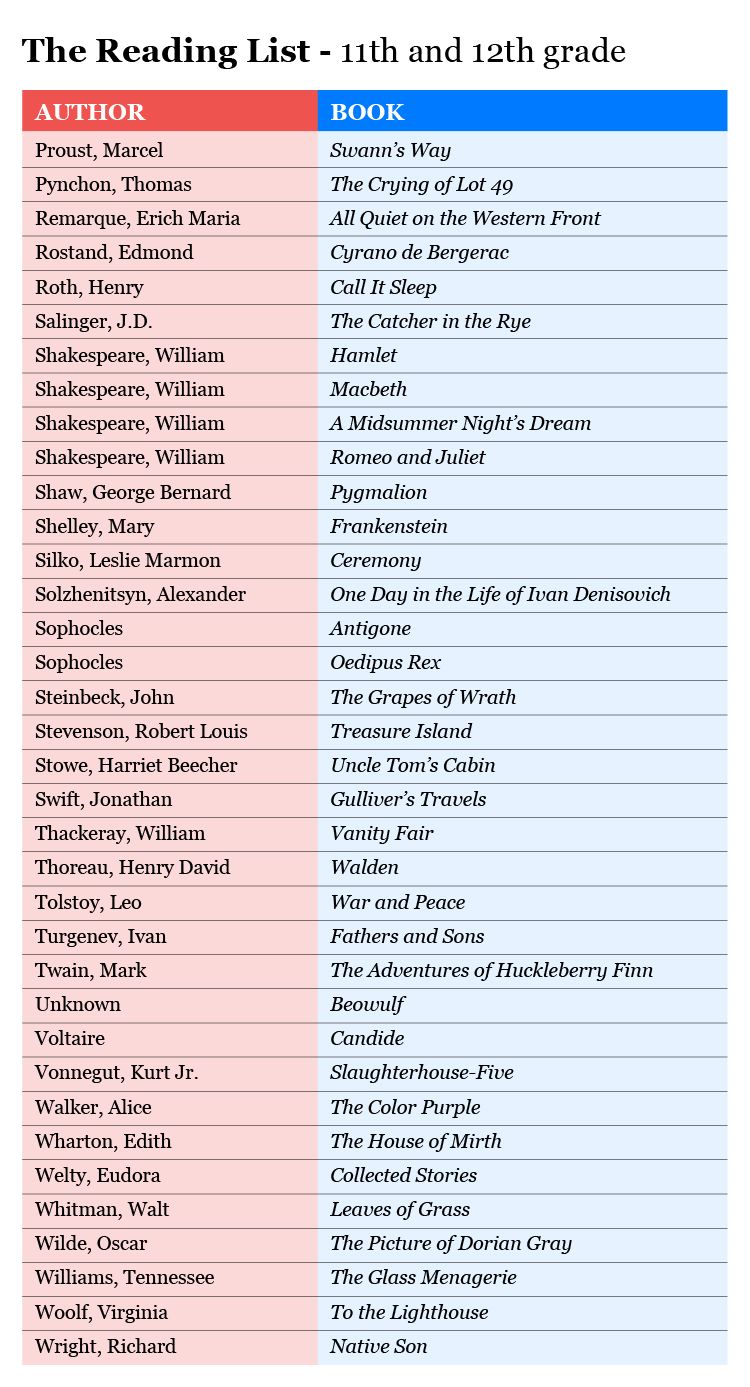

To get 800 out of 800 on Evidence-based Reading and Writing or 36 out of 36 on ACT Reading you need to be a good reader—literature, science, US founding documents, social sciences.
Forget any inhibitions you might have about “reading is boring” or “reading is a task.” These are ways of coping we pick up over the years, telling ourselves what we are or are not.
Perhaps at some point you picked up a book and it bored you? Perhaps you remembered that one incident when you were given a book to read the next time? Perhaps that second time you gave up even before getting past the first chapter of the book?
This is what is called “learned helplessness”. You are not unable to read but you believe you cannot read. You are not helpless but you feel helpless when accosted with an SAT/ACT reading passage.
Before you know it you have found a convenient tagline for yourself, a defeatist description that explains away your complicity in “not reading”
“I am the sort of person who does not read”
If you really serious about the SAT/ACT, now’s the time to exchange that negative description for
“I am the sort of person who likes reading”
Starting from this point on, ensure that you are approaching each article, story, or passage you read with interest.
Remember that training for a marathon (the 65 min reading section for the SAT or the 35 min cyclone of a reading section for the ACT) does not involve running marathons every time.
A good reader on the SAT/ACT reads not just the passages that appear on the practice tests and drills but is comfortable with reading intellectually challenging material in general.
The passages in this compilation are selected to make you start reading, reflecting, and evolving.
A high scorer on the SAT/ACT :
1. Can make sense of the passage
2. Can read the passage without getting bored or complaining
3. Can understand stylistic elements and subtle shifts in tone
4. Can identify the author’s purpose in a specific sentence or paragraph
5. Can infer the meaning of unfamiliar words
If you are serious about the SAT/ACT, you need to get serious about reading now. Read through the texts below to start your self-development journey for the SAT/ACT and college beyond that.