
College Applications
Campus Safety in the USA
Ritika Agarwal - Grinnell - Class of 2018 · · 6 min read

Quite honestly, I didn’t think too much about campus safety when I chose Grinnell College as my home for the next four years. Grinnell is a tiny little rural town somewhere in the middle of Iowa, where the only possibly danger is getting stranded in the middle of a cornfield. or so one would think. According to AOL rankings of the most dangerous colleges in the USA, Grinnell comes down at a shocking no. 21.
But really, what do these rankings even mean? During my time at Grinnell, I could leave my laptop lying on a bench outside the dining room and come back hours later to find it in the exact position I left it. I made regular stress runs to Kum n Go at 3 am during finals week, and not once did I have reason to fear for my safety. The most exciting thing to happen all year in the way of crime was a robbery at the local jewellery store, which inevitably turned into the town gossip for a week.
Clearly, there was something missing here. Either my own perceptions of crime at Grinnell were completely skewed, or the rankings were a lie. As it turns out, it was a little of both, and I’ve put together this list of things to keep in mind while researching campus safety in the US to help the rest of you figure it out.
Look at the stats, but keep in mind that these may not be a completely accurate way to tell which colleges are safer. Colleges with better safety resources often have higher crime rates, because students feel more confident reporting crime. To get you started, the department of education provides the “Campus Safety and Security Data Analysis Cutting Tool” (http://ope.ed.gov/security/) which allows you to search crime stats by institution, and also gives you a breakdown of the types of crime committed.
Research the surrounding area, because hopefully, you’ll venture off campus once in a while and it’ll be useful to know whether your college is surrounded by the relative safety of a few dozen cornfields, or shady back alleys and underground criminal organizations.
Research resources available on campus. You need to be aware of policies in place to prevent crime, and the resources available on campus to get help and spread awareness. For example, Grinnell puts all new students through an orientation that educates them about sexual assault, consent and substance use and how these things are dealt with on campus. Being ignorant or uncomfortable about the issues is unsafe too. You also need to be aware of protocol in case of emergency; For example, in Grinnell and most other colleges your first point of contact in case you find yourself in a tricky situation is the Resident Advisor who makes a call on whether to call campus security/police. Campus security then makes a call on whether to involve the town police or medical professionals. If you find yourself on the other side of a crime, perhaps you’re being arrested for disorderly conduct, then you should immediately contact the International Students Office which will advise you on what to do from there. Post-crime help is also available on most campuses—Grinnell Advocates is a great resource we have on campus for victims of sexual assault. Most campuses will also have Spiritual advisors and professional mental health counsellors available for any help you might need after a trauma.
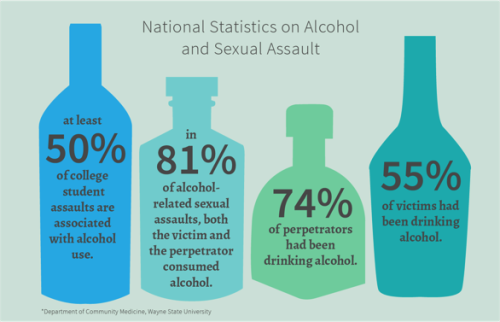
Try to get an insight into campus culture, because a lot of what makes a college safe or otherwise is determined by unmeasurable things, like the attitudes of students and faculty. One of the reasons for Grinnell’s high ranking on the list of most dangerous colleges in the US is because of its high rates of sexual assault on campus, which I believe is a consequence of Grinnell’s rampant drinking and hook-up culture. Grinnell follows a policy called self-governance, which basically means that you can do whatever you want as long as it doesn’t affect the community at large, and the students are responsible for their own actions. Students often get carried away with the freedom of it all, and this leads to accidents. So, for example, if you’re a recovering alcoholic, Grinnell may not be the safest place for you. On the other hand, you also want to be aware of how openly issues like sexual assault and substance abuse are discussed on campus, because this can impact how comfortable you’ll be asking for help in dangerous situations.
Keep in mind that YOUR safety depends on YOU. Be careful. Really, it’s as simple as that. Avoid situations where you might get in trouble, and behave responsibly when you find yourself in one. In the end, regardless of campus culture and policies in place to prevent crime, you are the one who decides how safe you’ll be at any institution. More likely than not, you won’t be mugged unless you’re out alone at 3 am (hypocrisy noted) and you won’t get into sticky situations with substances if you know your limits and stick by them.

Campus safety is slowly becoming one of the major criteria for picking colleges, especially for international students applying to the USA. Coming from a fellow international, I can tell you that although safety is a major concern for parents sending their kids thousands of miles away, honestly, the US isn’t any less safe than your hometown. In fact, the US is far more proactive when it comes to keeping its students safe. Crime and safety are discussed far more openly in the states and more people are confident reporting crime, so the stats can be misleading. Moreover, concerns about race based crime are quite unfounded—in my experience, college campuses are some of the most inclusive, diverse places you’ll ever find yourself in. The USA is a conglomeration of cultures and races, and it’s much easier to find a niche for yourself here than in most other places—including countries like the UK and Singapore where college communities are more homogenous. So be cautious; Do your research; but don’t let fear stand in the way of an awesome educational experience.
References: http://www.aol.com/article/2015/02/14/top-25-most-dangerous-college-campuses-in-america-revealed/21142508/
Related reading
- Master your Master's: Shape your future with strategic choices
In today's fast-evolving world, a master’s degree is increasingly essential for career and corporate success. The right program—whether in technology, business, finance, or management—can open doors and provide crucial skills. Strategic planning, preparation, and focusing on return on investment wil
- How to not get overwhelmed by your international college applications
College admissions have become a massive industry driven by parental and student aspirations. Financial investments alone do not ensure success. A holistic approach involving the right attitude, teamwork, and determination is key. It is important for families to support students strategically, focus
- South Korea could be the next big study abroad destination
South Korea's popularity in India is growing, driven by its diverse cultural appeal and increasing interest from Indian students. Scholarships from the South Korean government and universities attract international students. The country is becoming a favorable destination for businesses due to regul
