

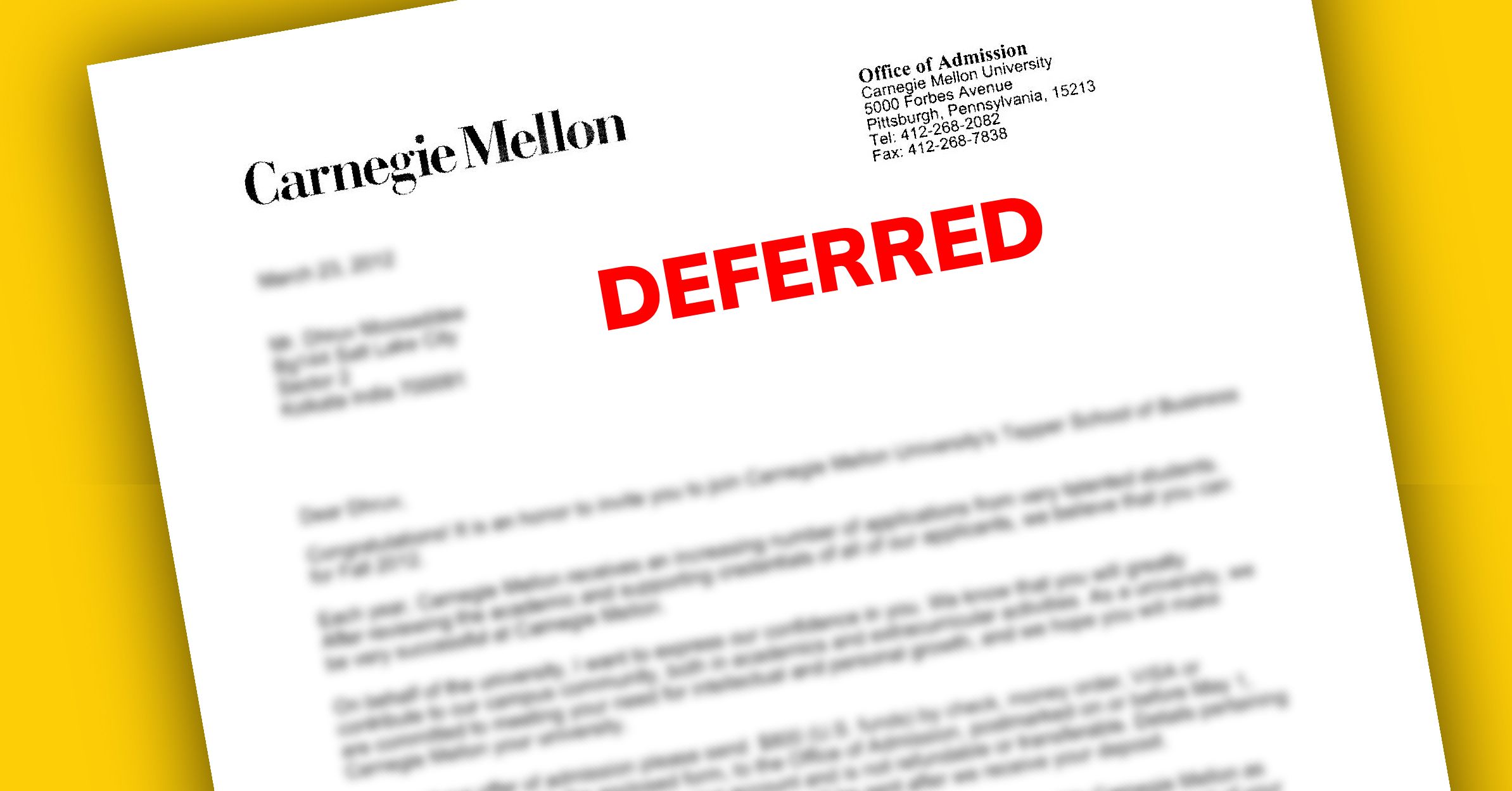
As we move into February, the dust would have settled on the EA/ED and Rolling Admissions results. Congratulations to those who have acceptance letters-we are sure you are breathing easy with an admit tucked under your belt.
But some of you would be in possession of a letter which is both nerve wracking and nail biting-the letter of ‘Deferral’. We understand it is disappointing but look at the positive side-not only is the college is still interested in you; it is giving you an opportunity to reiterate your interest in the college once more.
The Letter of Intent is your missive of choice and as the colleges start finalising the admissions for the Regular Decision round, writing to them in the first half of February becomes crucial. The Letter of Intent should indicate your continued interest in the college while sharing all information that demonstrates your commitment to excellence.
Writing the Letter of Intent
- Contact the Office of Admissions and introduce yourself-include the unique application number assigned to you.
- Thank them for reading your application-emphasise your gratefulness at the opportunity to reach out to them once more. Express your disappointment at not making it in the first round very subtly.
- You need to communicate your achievements, both academic and non-academic, since you submitted your application.
- Your grades play a crucial role-we presume you have worked hard to improve your scores. Send all updated school grades-validation from your school counsellor is important.
- Upgraded standardised test scores if any need to be communicated as well-follow the protocol of sending them from the test boards as well.
- Talk about your other achievements-the publication of a research project; the award for a dramatic or sporting accomplishment; a community initiative that received coverage and commendations. You could also attach a letter of recommendation by a mentor/facilitator who is associated with these achievements.
Avoid these Pitfalls
1. Do not bombard the Admission Office with multiple emails and letters-the chances are that you will be visible for the wrong reasons.
2. The tone of your letter should indicate interest and enthusiasm-be polite and factual. Avoid emotional cajoling and dramatic utterances.
3. Avoid any repetition of information you have previously sent.
4. Certain Universities have a specific format to send deferral updates in case you are still interested in the university-check their website for info regarding the same. In this scenario, submit ONLY what is asked-anything extra will be detrimental to your cause.