

‘We often tell students, 'if we were seated with you at a table, and asking you some questions, kind of conversational, what might you tell us?” -Mitch Warren, Director of Admissions at Purdue University
An integral part of College Applications is the writing component also known as ‘essays’. Usually, each college in the US will have one large essay (topics available through the application systems like the Common App, Coalition which usually is common to all) and some college specific essays. An applicant with a 12 college list usually would need to write 24-30 essays (ranging from 100 words -650 words). Prompts for the Common Application and Coalition Application are typically updated every year or two. If you write an essay for one of these prompts, you can usually adapt it or shorten it for other popular applications like the University of California system’s required essays. If you areapplying to other countries as well, these same rules will apply for all creative essay prompts.
Your transcripts, your extracurriculars to a large extent can be quantified-grades, marks, sports captain, national level basketball, grade 6 in piano from the Trinity Board of Examinations and so on and so forth. Chances are, you will have a fair amount of applicants who fulfil many of the above criteria. Your Essay however is the opportunity to be singularly yours-even if people have similar experiences-your perceptions and reactions will be uniquely yours. Tap on this.
College Admission Officers typically read between the lines to discover who you really are and what you will bring to the campus. Your essay has the ability to communicate-to be your voice; to tell the college your values, your preferences and your attitudes. In our experience, the sheer quantum of essays, requirement of original content coupled with concurrent deadlines prove to be a stumbling block for most students. However, creating specific timelines for your essays is a great way to keep track.
The essay is an opportunity to reflect “you’’— it’s your unique individual voice. You have to be honest and true to yourself. Do not get someone else to write it for you.
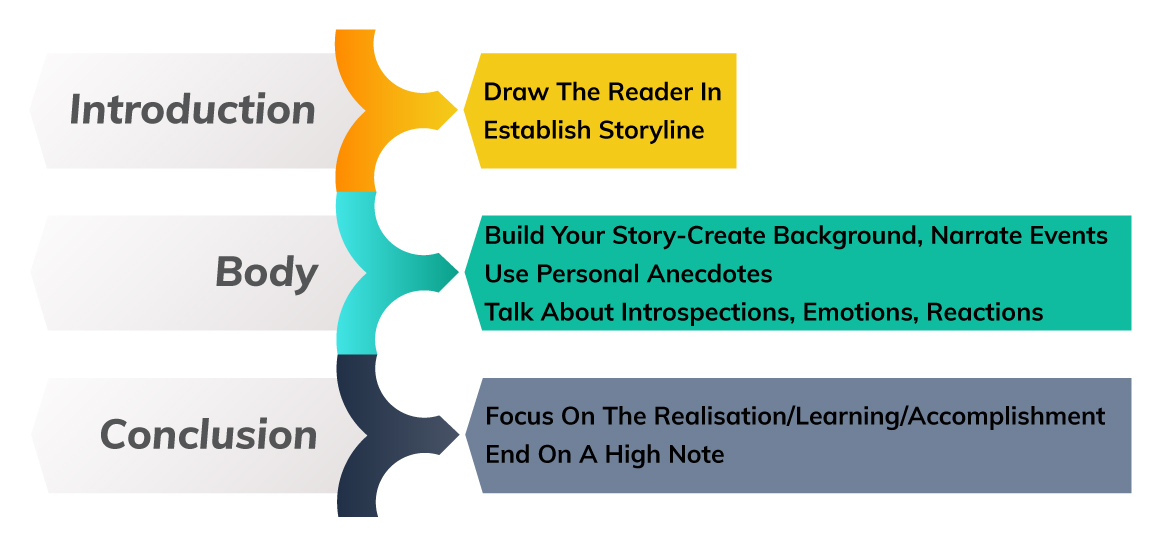
- Tell your own story
- Get feedback
- Polish, spell check and proofread
- Your essays should communicate diversity of thought and show facets of your personality not visible elsewhere in the application.
- End on a note of positivity and hope.
Much like a piece of music-your essay should sing a song-‘your’ song with final notes resonating and compelling the reader (in this case the admission committee) to take attention. Reading your essay aloud will help you identify gaps in the structure as well as grammatical errors.